
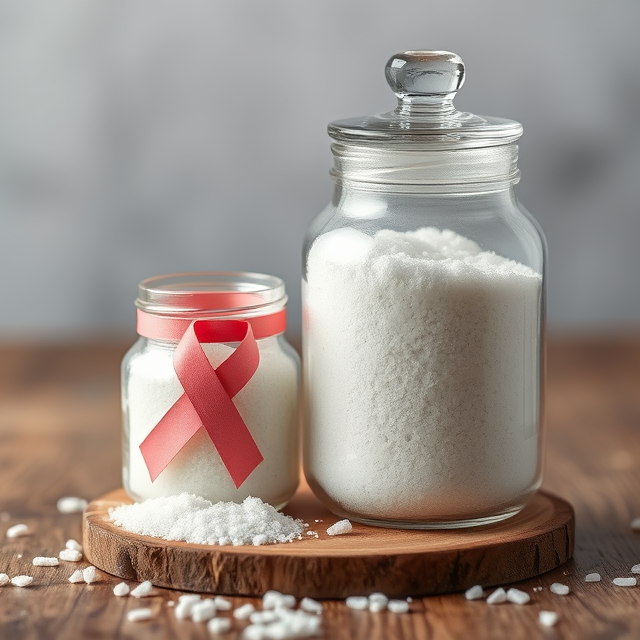
Cancer is one of the leading causes of death worldwide, and despite years of research, much remains to be understood about its causes, progression, and treatment. Among the many factors under investigation, the role of diet—particularly sugar intake—has attracted significant attention. For decades, scientists have been exploring how sugar impacts cancer development, with mixed findings. More recently, there has been a surge in interest in the drug metformin, a medication primarily used to manage type 2 diabetes, and its potential role in cancer prevention. However, recent clinical trials have raised questions about its efficacy in reducing cancer risk.
The Sugar-Cancer Connection: What We Know
At the heart of the discussion about sugar and cancer is the idea that elevated glucose levels may fuel the growth of cancer cells. This hypothesis stems from the fact that cancer cells often exhibit an increased rate of glucose metabolism, a phenomenon known as the Warburg effect. Named after the German scientist Otto Warburg, this effect describes the tendency of cancer cells to rely on glycolysis (the breakdown of glucose) even in the presence of oxygen, which is inefficient but enables rapid cell proliferation. The theory suggests that by providing an excess of glucose, sugar consumption could potentially accelerate cancer development.
Mechanisms Linking Sugar to Cancer
- Insulin Resistance and Hyperinsulinemia: Diets high in refined sugar and processed carbohydrates contribute to insulin resistance, a condition in which the body’s cells become less responsive to insulin. As a result, the pancreas produces more insulin, leading to a state of hyperinsulinemia. Elevated insulin levels have been shown to promote cancer cell growth and proliferation, particularly in cancers of the breast, colon, and liver. Insulin can act as a growth factor, stimulating the proliferation of tumor cells.
- Inflammation: Chronic high sugar intake is associated with increased inflammation in the body, a known driver of cancer development. Inflammation can promote genetic mutations and the tumor microenvironment, aiding in tumor growth and metastasis.
- Obesity and Hormonal Disruption: Diets high in sugar can contribute to obesity, which is a well-established risk factor for several types of cancer, including breast, colorectal, and pancreatic cancer. Obesity alters the balance of hormones in the body, particularly increasing levels of estrogen, which can contribute to hormone-sensitive cancers.
- Increased Tumor Progression: Some laboratory studies have shown that cancer cells that consume more glucose can grow faster and become more aggressive. However, translating these findings from the lab to human populations remains challenging, as the complex interplay of diet, metabolism, and cancer is not fully understood.
The Evidence: Does Sugar Really Increase Cancer Risk?
Despite the theoretical mechanisms linking sugar consumption to cancer, the clinical evidence remains inconclusive. While some observational studies have suggested a correlation between high sugar diets and increased cancer risk, other studies have found no such connection. A major challenge in this area is the difficulty in isolating the effects of sugar from other dietary and lifestyle factors. For instance, people who consume large amounts of sugar are often also consuming diets that are low in fiber, high in fat, or deficient in essential nutrients—all of which contribute to cancer risk.
One of the most well-known studies to date, a 2013 review published in the American Journal of Clinical Nutrition, found that while high sugar intake could increase the risk of obesity and insulin resistance, there was insufficient evidence to directly link sugar consumption to cancer risk. Another study in 2020 published in Cell Metabolism found that, while sugar can fuel the growth of cancer cells in laboratory settings, there is no definitive evidence that sugar consumption in humans directly causes cancer.
Metformin and Cancer Prevention: The Trials and Tribulations
Metformin, a medication that has been used for decades to treat type 2 diabetes, has also been explored as a potential cancer prevention agent. This is based on the hypothesis that metformin’s effects on insulin and glucose metabolism could extend to reducing cancer cell proliferation.
The Rationale Behind Metformin for Cancer
Metformin works by improving insulin sensitivity, reducing circulating glucose levels, and lowering the production of glucose in the liver. Since insulin resistance and hyperinsulinemia are thought to contribute to cancer progression, it made sense to explore whether metformin could reduce the incidence of cancer or improve outcomes in people diagnosed with cancer.
Several early studies showed promising results, with some research indicating that diabetic patients on metformin had a lower risk of developing certain cancers, such as breast, prostate, and colorectal cancers. Laboratory studies also suggested that metformin could inhibit tumor growth by activating AMP-activated protein kinase (AMPK), which in turn inhibits cancer cell proliferation.
The Clinical Trials: A Mixed Bag
However, despite these early indications, more recent, large-scale clinical trials have cast doubt on metformin’s ability to reduce cancer risk. A landmark trial called the Metformin and Cancer study, which enrolled thousands of participants, failed to show a clear benefit in reducing cancer incidence or mortality. The results of this trial were surprising to many, especially considering the earlier preclinical and observational evidence.
One of the major trials, the Diabetes and Cancer Study, examined whether metformin could reduce the incidence of cancer in patients with type 2 diabetes. The results, published in JAMA Oncology in 2020, found that metformin did not significantly reduce cancer risk when compared to other diabetes medications. Similar findings have emerged from other trials, leading some experts to question whether metformin’s effects are more complex than initially thought.
Why Did Metformin Fail?
There are several reasons why metformin might not live up to its potential as a cancer prevention drug:
- Complexity of Cancer Biology: Cancer is not a single disease but a collection of conditions that differ from one person to another. The complex and multifactorial nature of cancer means that no single intervention, such as metformin, can effectively prevent or treat all types of cancer.
- Insulin Resistance Is Not the Sole Driver: While insulin resistance plays a role in some cancers, it is not the only factor. Tumor progression is influenced by a variety of genetic, epigenetic, and environmental factors, making it unlikely that a single drug like metformin could address all the contributing elements.
- Late-Stage Interventions: Most of the studies conducted on metformin’s effect on cancer were observational and focused on populations with already diagnosed diabetes. It’s possible that metformin might have an effect on cancer risk during the early stages of disease or in combination with other lifestyle changes, but its efficacy as a standalone cancer prevention drug remains uncertain.
Conclusion: Where Do We Go from Here?
The relationship between sugar and cancer is still being actively studied, but current evidence does not conclusively support a direct cause-and-effect link. While it is clear that high sugar consumption can contribute to obesity, insulin resistance, and inflammation—all of which are cancer risk factors—more research is needed to fully understand the mechanisms by which sugar may influence cancer development.
As for metformin, while the drug remains a cornerstone in the treatment of type 2 diabetes, its role in cancer prevention is uncertain. The failure of recent large-scale trials suggests that its potential as a universal cancer preventive agent may be overstated, but it’s possible that more nuanced studies, such as those targeting specific cancer types or populations, could yield different results.
For now, maintaining a balanced diet, managing blood sugar levels, and reducing risk factors like obesity and inflammation remain essential strategies for cancer prevention. Research in both fields is ongoing, and the hope is that with more targeted approaches, we may eventually unlock effective interventions to combat cancer in its many forms.